

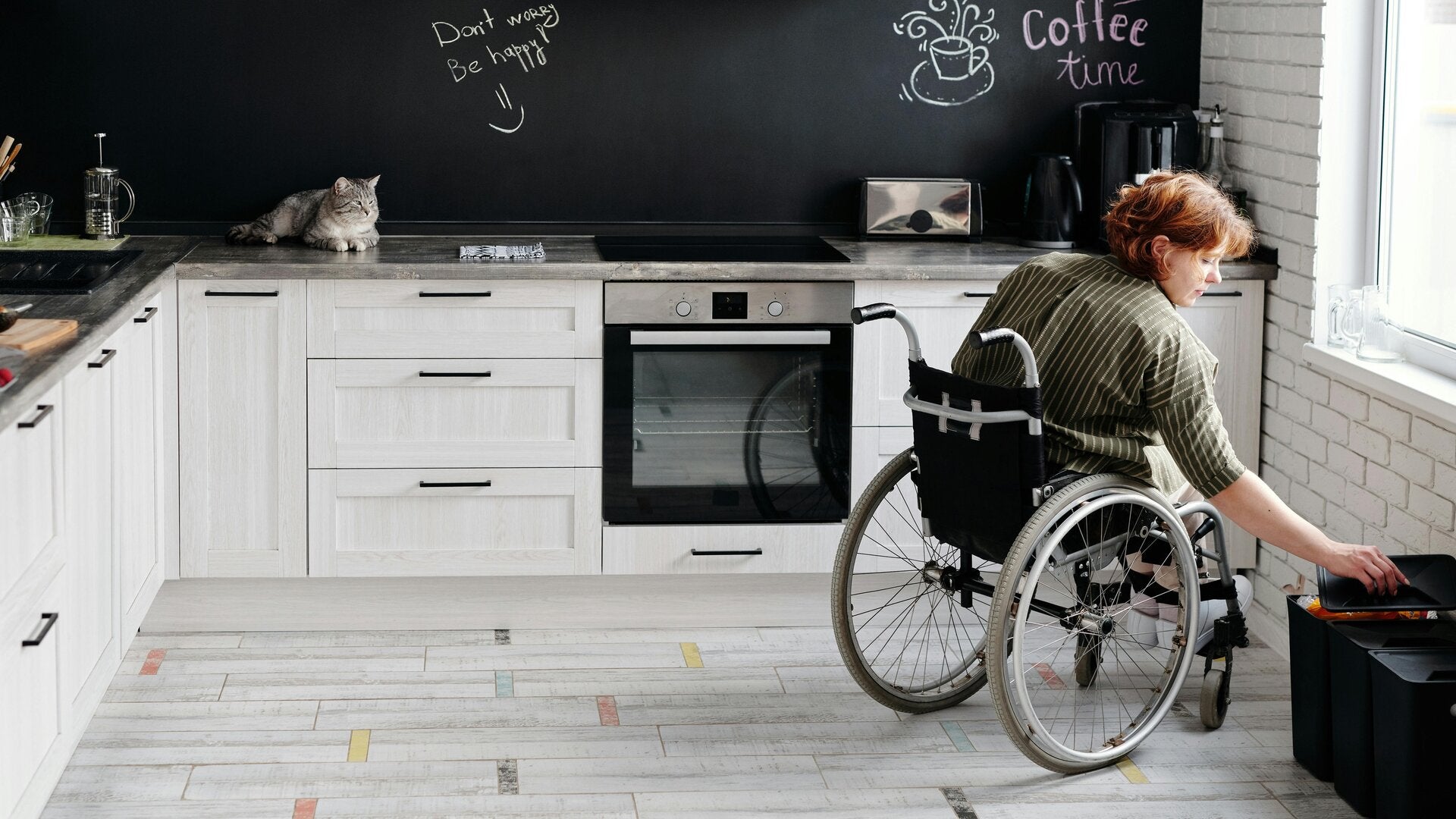
The Importance of Empowering NDIS Participants
Good support isn't always about doing things for someone. Sometimes, the most meaningful support is helping someone discover what they can do for themselves.
For people receiving NDIS support, independence can mean many different things. It might involve learning a new skill, making everyday decisions, building confidence or having more control over how they spend their day.
The important thing is recognising that independence looks different for everyone.
At Safe Hav3n, we believe good support should empower people, encourage personal growth and provide opportunities to work towards their goals without taking away their choices.
What Does Supporting Independence Really Mean?
Supporting independence doesn't mean expecting someone to do everything on their own.
It means understanding their abilities, recognising where they may need assistance and providing the right level of support to help them participate in everyday life.
Sometimes, it's about offering a helping hand. Other times, it's about stepping back, allowing someone the time to try something independently and being there if they need guidance.
For example, instead of preparing an entire meal for someone, support might involve helping them choose a recipe, gather ingredients and complete the steps they feel comfortable doing.
The goal isn't to do everything for the person. It's to work alongside them and create opportunities for them to develop skills, confidence and independence at their own pace.
Support, Don't Take Over
It can sometimes feel easier or quicker to step in and complete a task for someone, particularly when there are time pressures or something takes longer than expected.
However, when support workers consistently take over tasks that a participant could practise or participate in, valuable opportunities for learning and personal growth can be missed.
Good support means knowing when to help, when to encourage and when to give someone the time and space to try.
This might involve:
-
Allowing someone to attempt a task before offering assistance.
-
Breaking activities into smaller, manageable steps.
-
Providing encouragement rather than immediately stepping in.
-
Offering guidance when someone is unsure.
-
Recognising when additional support is needed.
-
Allowing enough time for someone to complete a task at their own pace.
It's important to remember that offering support doesn't mean taking control. Sometimes, the best thing a support worker can do is give someone the opportunity to have a go.
Let the Person Lead
One of the most important parts of person-centred support is allowing the participant to have a genuine say in their own life.
Everyday decisions provide opportunities to express preferences, build confidence and develop independence.
This could be something as simple as:
-
Choosing what to wear for the day.
-
Deciding what they would like to eat.
-
Helping prepare a favourite meal.
-
Choosing how to spend their afternoon.
-
Deciding which activities they would like to participate in.
-
Having input into their daily routines.
These choices might seem small, but they are an important part of maintaining control over everyday life.
Support workers should encourage participants to make their own decisions wherever possible, while providing information, guidance and assistance when needed.
After all, support should be built around the person's preferences, not simply what is easiest or most convenient for everyone else.
Independence Looks Different for Everyone
There is no single definition of independence, and progress doesn't look the same for every person.
For one participant, independence might mean learning to prepare a meal. For another, it might mean confidently communicating what they want, making a decision or completing part of their daily routine.
It could also mean learning to ask for help when needed.
Independence doesn't have to mean doing everything without assistance. Being able to recognise when support is needed and communicate that need is an important skill in itself.
What matters is understanding the individual, recognising their strengths and supporting them in a way that works for them.
Progress should never be measured against someone else's abilities or expectations.
Building Confidence Through Everyday Opportunities
Confidence often develops through small experiences and repeated opportunities.
When someone is encouraged to try something, make decisions and participate in everyday activities, they have the opportunity to discover their abilities and build confidence over time.
This might look like:
-
Trying a new activity for the first time.
-
Learning a new household skill.
-
Becoming more comfortable with a daily routine.
-
Making choices about personal interests and activities.
-
Practising skills in the community.
-
Taking on more responsibility in an area that matters to them.
Not every attempt will go perfectly, and that's okay.
Learning takes time. Mistakes are part of the process, and sometimes a little extra assistance is needed along the way.
The important thing is creating a supportive environment where people feel comfortable trying, learning and growing without feeling rushed or judged.
Supporting Independence Through SIL and Community Access
Independence can be encouraged in many different settings, including at home and within the wider community.
Supported Independent Living (SIL) can provide opportunities for participants to develop everyday living skills while receiving the assistance they need. This may include practising meal preparation, household tasks, personal routines and making decisions about their home life.
Community Access Support can also help participants build confidence and independence outside the home. This might involve visiting local shops, attending appointments, exploring community activities, developing social connections or practising skills in different environments.
The right support will depend on the individual, their goals, preferences and circumstances.
At Safe Hav3n, we believe these opportunities should be meaningful and tailored to the person rather than following a one-size-fits-all approach.
How Safe Hav3n Encourages Independence
At Safe Hav3n, we believe support should help people live their lives, not take over their lives.
We take the time to understand each participant, including their abilities, interests, goals and the areas where they would like additional support.
Our approach is about working alongside participants, encouraging their choices and recognising that even the smallest steps can represent meaningful progress.
Whether it's supporting someone to develop everyday living skills through SIL or building confidence through Community Access, we aim to provide support that respects the individual and encourages them to work towards the life they want.
Because good support isn't about doing everything for someone. It's about making sure they have the right support, encouragement and opportunities to do what matters to them.
Small Opportunities Can Lead to Meaningful Progress
Independence isn't something that needs to happen all at once.
Sometimes, it starts with a small decision, a new experience or having the confidence to try something that once felt difficult.
Every person deserves the opportunity to make choices, develop their abilities and work towards their own goals, with the right support beside them.
At Safe Hav3n, we believe in supporting people to grow, learn and live life their way.
Real Support. Stronger Futures.
Because at Safe Hav3n, you're not just a number. You're family.
Disclaimer: This article is intended for general information and educational purposes only. NDIS supports and funding arrangements depend on individual circumstances, goals and plan details. Information may change over time, so participants should refer to official NDIS resources or seek advice from an appropriate professional for guidance about their individual situation.
Further Information:
-
NDIS – Choice and control
-
NDIS Quality and Safeguards Commission – Rights of people with disability